

Infections can become a serious health concern, especially for elderly individuals, patients recovering from surgery, people with chronic illnesses, and those with weakened immune systems. Even minor infections can lead to complications when the body is already dealing with an existing health condition. Maintaining a clean environment, following proper hygiene practices, and receiving appropriate medical care are essential for preventing infections and supporting recovery.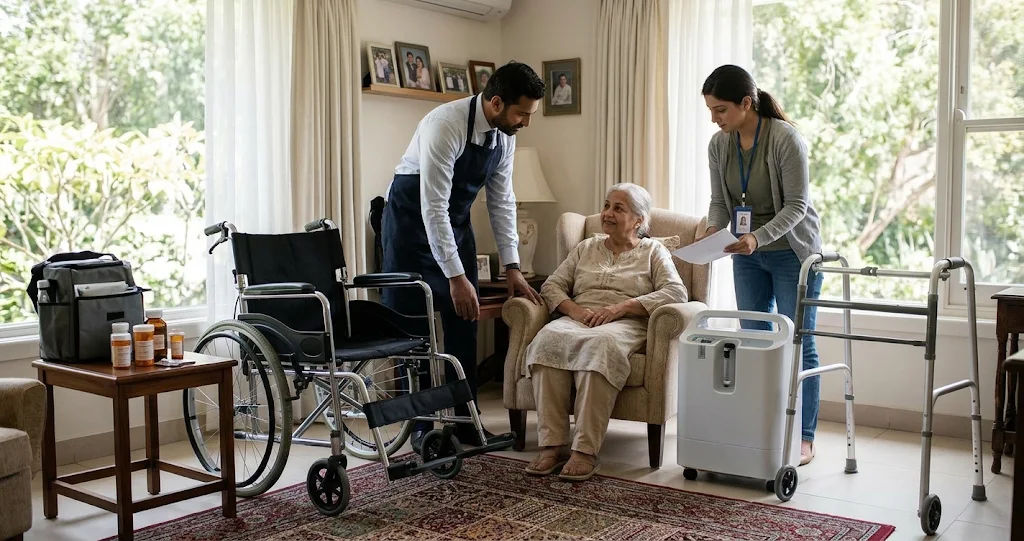
Professional healthcare at home can make a significant difference in reducing exposure to harmful bacteria, viruses, and other infectious microorganisms. Home Nursing Services provide patients with trained nursing professionals who understand infection prevention, hygiene management, wound care, and safe medical procedures. Their knowledge helps create a safer recovery environment while allowing patients to receive appropriate care in familiar surroundings.
Preventing infections requires more than simply keeping a home clean. It involves consistent hand hygiene, proper handling of medical equipment, safe medication practices, wound protection, and careful monitoring of symptoms. Professional nurses follow established infection prevention procedures to reduce avoidable risks and recognize early warning signs.
Understanding how these services help prevent infections can help families make better healthcare decisions. From maintaining personal hygiene to managing wounds and educating caregivers, professional nursing support plays an important role in protecting patients and improving their overall well-being.
Infection Risks in Home Healthcare
Infections occur when harmful microorganisms enter the body and multiply. These microorganisms may include bacteria, viruses, fungi, and certain parasites. Patients receiving medical care at home can face different infection risks depending on their age, medical condition, mobility, and treatment requirements.
Some individuals are more vulnerable because their immune systems cannot fight infections effectively. Older adults, surgical patients, people with diabetes, and individuals receiving long-term medical treatment may require additional precautions.
Common Sources of Infection
Several everyday situations can increase infection risks during home healthcare.
-
Unwashed hands: Germs can spread when caregivers touch patients without cleaning their hands properly.
-
Contaminated equipment: Medical tools that are not cleaned or sterilized appropriately can transfer microorganisms.
-
Poor wound care: Open wounds can become infected when dressings are handled incorrectly.
-
Unsafe food handling: Contaminated food and improperly stored meals can cause gastrointestinal infections.
-
Unclean surroundings: Dust, dirty surfaces, and contaminated objects may contribute to the spread of harmful microorganisms.
-
Improper medical procedures: Incorrect injection techniques and unsafe handling of medical supplies can introduce infections.
Recognizing these sources helps families understand why professional infection prevention practices are important.
Why Some Patients Face Greater Infection Risks
Home Nursing Services weakened immune systems may develop infections more easily than healthy individuals. Their bodies may also take longer to recover.
For example, people with diabetes can experience slower wound healing, making proper wound protection especially important. Similarly, elderly patients may have reduced immunity and other medical conditions that increase their vulnerability.
Patients recovering from surgery may also require careful monitoring because surgical wounds can provide an entry point for bacteria.
Professional nursing assistance helps address these concerns through appropriate hygiene procedures, regular assessments, and patient-specific care plans.
Maintaining Proper Hand Hygiene
Hand hygiene is one of the most effective ways to reduce infection transmission. Healthcare professionals understand that microorganisms can move from one surface to another through direct contact.
Nurses use appropriate hand-cleaning procedures before and after performing patient care activities.
Washing Hands at the Right Time
Professional nurses clean their hands at important moments, including:
-
Before touching a patient.
-
Before performing a clean or sterile procedure.
-
After exposure to blood or other body fluids.
-
After touching a patient.
-
After touching objects in the patient's immediate surroundings.
Washing with soap and water is particularly important when hands are visibly dirty. Alcohol-based hand sanitizers can also be used when appropriate.
These simple actions reduce the number of microorganisms transferred between patients, caregivers, and household surfaces.
Educating Family Members About Hand Hygiene
Infection prevention should involve everyone who participates in patient care.
Nurses can teach family members when and how to clean their hands. They may also explain the importance of keeping handwashing areas accessible and maintaining an adequate supply of soap, clean towels, and sanitizer.
When everyone follows consistent hygiene practices, the possibility of spreading infections decreases.
Following Safe Wound Care Practices
Wound management is an important part of infection prevention, particularly for patients recovering from surgery, injuries, or pressure sores.
Open wounds can allow bacteria to enter the body. Without appropriate cleaning and protection, these wounds may develop infections that delay healing and create additional health problems.
Cleaning and Dressing Wounds Correctly
Professional nurses assess wounds before providing treatment. They examine the surrounding skin, observe drainage, and look for signs of inflammation or infection.
Depending on the patient's condition and clinical instructions, wound care may involve:
-
Cleaning the wound with an appropriate solution.
-
Using sterile or clean supplies as required by the procedure.
-
Applying suitable wound dressings.
-
Maintaining appropriate moisture conditions.
-
Replacing dressings according to the prescribed schedule.
-
Disposing of contaminated materials safely.
Correct dressing techniques help protect damaged tissue from unnecessary contamination.
Recognizing Early Signs of Wound Infection
A wound infection may cause several noticeable symptoms.
These include increasing redness, swelling, warmth, pain, unusual discharge, unpleasant odor, and delayed healing.
Some patients may also develop fever or chills.
Nurses monitor these changes and communicate concerning findings to the treating healthcare provider. Early assessment can help prevent a minor wound problem from becoming a serious complication.
Patients should not attempt to treat worsening infections independently. Medical evaluation is necessary when concerning symptoms develop.
Using Clean and Properly Sterilized Medical Equipment
Medical equipment can become a source of infection when it is contaminated or handled incorrectly.
Items such as thermometers, blood pressure cuffs, wound-care instruments, and other medical supplies may come into contact with patients or their surroundings.
Professional nurses understand the importance of using appropriate equipment-cleaning and sterilization procedures.
Cleaning and Disinfecting Medical Tools
Different medical items require different levels of cleaning and disinfection.
For example, reusable equipment that touches intact skin generally requires appropriate cleaning and disinfection between uses. Instruments that enter sterile body tissues require sterilization according to their intended use and applicable clinical standards.
Nurses follow manufacturer instructions and infection prevention protocols when handling these items.
They also ensure that clean supplies are stored separately from contaminated materials.
Using Disposable Medical Supplies Safely
Some medical items are designed for single use.
Examples include certain gloves, syringes, needles, and wound-care materials.
These products should not be reused when labeled for single use. Proper disposal is equally important because contaminated materials can expose other household members to infectious microorganisms.
Safe equipment management helps reduce unnecessary exposure during home treatment.
Maintaining a Clean Home Healthcare Environment
A patient's surroundings can influence their exposure to infection-causing microorganisms.
Although a home does not need to become a hospital, maintaining appropriate cleanliness is essential for individuals receiving regular medical assistance.
Disinfecting Frequently Touched Surfaces
Frequently touched surfaces may carry microorganisms transferred through hands or contaminated objects.
These surfaces include:
-
Bedside tables.
-
Door handles.
-
Light switches.
-
Bathroom fixtures.
-
Mobile phones.
-
Wheelchair handles.
-
Frequently used medical equipment.
Nurses can advise families about suitable cleaning and disinfection practices.
The correct disinfectant should be selected according to the surface and product instructions. Cleaning should remove visible dirt before disinfection when necessary.
Keeping Patient Care Areas Organized
A clean and organized care area makes medical procedures safer.
Medical supplies should be stored properly, clean dressings should remain protected, and waste should be removed regularly.
Food, personal belongings, and contaminated medical materials should not be mixed with sterile supplies.
Keeping the patient's bed and surrounding area clean also supports comfort and makes routine nursing activities easier.
Preventing Infections During Medication Administration
Medication administration requires attention to hygiene and correct clinical procedures.
Injections, intravenous treatments, and certain other medical interventions may create opportunities for microorganisms to enter the body if performed incorrectly.
Professional nurses help reduce these risks by following appropriate medication safety procedures.
Using Safe Injection Techniques
Injections must be administered using appropriate sterile equipment and correct techniques.
Nurses should:
-
Perform hand hygiene before preparing medication.
-
Use a new sterile needle and syringe when required.
-
Clean the injection site according to clinical instructions.
-
Avoid touching sterile components.
-
Never reuse single-use injection equipment.
-
Dispose of used needles in approved sharps containers.
These precautions help prevent infections associated with unsafe injections.
Following Prescribed Medication Instructions
Taking medications correctly can also support infection management.
For example, patients prescribed antibiotics should follow their healthcare provider's instructions. Nurses can help patients understand medication schedules, administration methods, and possible side effects.
Antibiotics should not be used unnecessarily because inappropriate use contributes to antimicrobial resistance.
Nurses do not independently change prescriptions unless authorized within their professional scope and applicable protocols.
Supporting Personal Hygiene and Daily Care
Personal hygiene is essential for preventing infections, especially among patients who cannot perform daily activities independently.
Limited mobility, physical weakness, and certain medical conditions can make bathing, oral care, and toileting difficult.
Professional nursing assistance helps patients maintain cleanliness while preserving dignity and comfort.
Providing Safe Bathing Assistance
Bathing removes sweat, dirt, and microorganisms from the skin.
Nurses can assist patients with bathing while paying attention to sensitive areas, skin folds, and areas that remain moist.
They may also monitor the skin for irritation, pressure injuries, redness, and unusual changes.
Keeping the skin clean and dry helps protect its natural barrier and reduces certain infection risks.
Maintaining Oral Hygiene
Oral hygiene is another important part of infection prevention.
Poor oral care can allow harmful bacteria to accumulate in the mouth. Patients who are bedridden or have difficulty swallowing may require additional assistance.
Nurses can help with regular toothbrushing, denture cleaning, and appropriate mouth care.
For patients with swallowing difficulties, care should follow individualized clinical recommendations to reduce the risk of aspiration.
Supporting Safe Toileting Practices
Toileting assistance requires careful hygiene because microorganisms from bodily waste can spread to hands and surrounding surfaces.
Nurses follow appropriate cleaning procedures, use protective equipment when necessary, and ensure that contaminated materials are disposed of safely.
They can also educate family members about proper bathroom hygiene and cleaning routines.
Monitoring Patients for Early Signs of Infection
Recognizing infection symptoms early can prevent complications.
Some infections develop gradually, while others cause noticeable changes within a short period. Patients who are elderly or immunocompromised may not always show typical symptoms.
Regular nursing assessments can help identify concerning changes.
Checking Vital Signs
Depending on the patient's condition and care plan, nurses may monitor:
-
Body temperature.
-
Heart rate.
-
Blood pressure.
-
Respiratory rate.
-
Oxygen saturation when clinically indicated.
Changes in these measurements may suggest an infection or another medical problem.
For example, fever can indicate an infection, although some vulnerable patients may develop serious infections without a high temperature.
Observing Changes in Patient Behavior
Behavioral changes can also provide important information.
An elderly patient who suddenly becomes confused, unusually sleepy, weak, or less responsive may require medical assessment.
Other possible warning signs include reduced appetite, increased pain, unusual discharge, and changes in urination.
Nurses document relevant observations and communicate concerns to the appropriate healthcare professional.
If a patient develops severe breathing difficulties, sudden confusion, loss of consciousness, or other emergency symptoms, immediate medical assistance is necessary.
Preventing Cross-Contamination Between Patients and Caregivers
Cross-contamination occurs when infectious microorganisms move from one person, object, or surface to another.
Even in a private home, caregivers must follow precautions to prevent the transfer of germs.
Using Personal Protective Equipment
Personal protective equipment, commonly known as PPE, may include gloves, masks, gowns, and eye protection.
The equipment selected depends on the patient's condition and the expected exposure during care.
For example, gloves may be appropriate when handling blood, bodily fluids, contaminated dressings, or other potentially infectious materials.
However, gloves do not replace hand hygiene. Nurses must clean their hands before putting on gloves and after removing them.
Handling Laundry and Medical Waste Safely
Contaminated laundry should be handled carefully to avoid spreading microorganisms.
Nurses can guide families on separating heavily soiled materials, washing them using suitable detergent and temperature settings, and drying them thoroughly.
Medical waste requires appropriate handling.
Used needles and other sharps should be placed in approved puncture-resistant containers. Contaminated dressings should be disposed of according to local healthcare waste requirements.
These procedures protect patients, family members, and caregivers.
Educating Families About Infection Prevention
Family involvement is essential when patients receive healthcare at home.
Relatives often assist with meals, personal hygiene, medication schedules, and daily activities. Without proper guidance, they may unintentionally introduce infection risks.
Professional nurses can provide practical education that makes home care safer.
Teaching Everyday Prevention Habits
Families can learn how to:
-
Wash hands before and after patient care.
-
Keep frequently touched surfaces clean.
-
Avoid sharing personal hygiene items.
-
Store medications correctly.
-
Handle wound dressings safely.
-
Maintain clean bedding and clothing.
-
Follow food safety recommendations.
-
Recognize possible infection symptoms.
These habits become easier when they are included in everyday routines.
Encouraging Communication With Healthcare Providers
Families should know when to report symptoms and whom to contact if a patient's condition changes.
Nurses can explain which symptoms require routine medical advice and which may indicate an emergency.
Clear communication prevents delays in treatment and helps ensure that patients receive appropriate medical attention.
Reducing Infection Risks Through Patient-Specific Care Plans
Every patient has different healthcare needs.
A person recovering from surgery may need careful wound monitoring, while an elderly patient with limited mobility may require additional skin care and assistance with personal hygiene.
Professional nursing care should reflect these individual requirements.
Assessing Individual Infection Risks
Before developing a care plan, nurses consider the patient's medical history, current condition, mobility, treatment requirements, and environmental factors.
They may also review existing medical instructions and discuss infection prevention concerns with the healthcare team.
This assessment helps identify areas where additional precautions may be necessary.
Adjusting Care as Conditions Change
A patient's needs can change during recovery.
For example, a surgical wound may require different dressing arrangements as it heals. A patient with reduced mobility may need more frequent repositioning and skin assessments.
Regular reviews help ensure that infection prevention measures remain appropriate.
This flexibility is one of the important advantages of individualized nursing support.
The Benefits of Professional Infection Prevention at Home
Receiving nursing assistance at home offers several practical advantages when infection prevention is a priority.
Care in Familiar Surroundings
Patients can receive nursing assistance without needing to travel regularly for routine care.
This may reduce exposure to crowded healthcare environments, although it does not eliminate infection risks.
Home healthcare still requires careful hygiene, appropriate equipment handling, and professional clinical procedures.
More Focused Patient Attention
Nurses can concentrate on an individual patient's needs during scheduled visits or assigned care periods.
This allows them to observe changes, provide hygiene assistance, and reinforce preventive practices.
The amount of attention depends on the agreed care arrangement and the patient's requirements.
Better Family Awareness
Professional guidance helps relatives understand how infections develop and how they can be prevented.
When families follow appropriate recommendations, they become more confident in supporting daily care activities.
This teamwork can improve the patient's safety and overall healthcare experience.
How to Choose the Right Home Nursing Provider
Choosing an appropriate provider is important because infection prevention depends on staff knowledge, professional conduct, and consistent procedures.
Families should evaluate several factors before arranging nursing assistance.
Check Professional Qualifications
Confirm that nurses have appropriate qualifications, training, and registration where required by local regulations.
Ask whether they have experience with the patient's specific medical needs, particularly wound care, elderly care, postoperative recovery, or chronic disease management.
Ask About Infection Control Procedures
A reliable provider should be able to explain its infection prevention practices.
Questions may include:
-
What hand hygiene procedures do nurses follow?
-
How are reusable medical tools disinfected?
-
Are sterile supplies used when required?
-
How is medical waste handled?
-
What protective equipment is available?
-
How are suspected infections reported?
Clear answers can help families understand the quality of care being offered.
Review Communication and Supervision
Good communication is essential for safe home healthcare.
Families should know how nurses document patient observations, communicate with healthcare providers, and respond to unexpected changes.
It is also helpful to understand whether the provider offers clinical supervision and how concerns can be reported.
Selecting a qualified provider creates a stronger foundation for safe and effective patient care.
Conclusion
Reducing infection risks is one of the most important responsibilities in home healthcare. Patients recovering from surgery, elderly individuals, people with chronic illnesses, and those with weakened immune systems need consistent attention to hygiene and preventive care. Without appropriate precautions, common microorganisms can spread through contaminated equipment, unwashed hands, improperly managed wounds, and unclean surroundings.
Professional Home Nursing Services help address these risks through structured infection prevention practices. Nurses maintain hand hygiene, follow appropriate wound dressing procedures, handle medical equipment safely, and use protective equipment when necessary. Their training also helps them recognize early signs of infection and communicate concerning changes to healthcare providers.
Another important benefit is patient and family education. Nurses teach relatives how to maintain clean surroundings, support personal hygiene, handle laundry safely, and follow appropriate medication instructions. These everyday practices create a safer environment and help prevent avoidable complications.
Individualized care plans also make infection prevention more effective. Every patient has different medical requirements, and professional nurses can adjust their approach according to mobility, age, existing conditions, and recovery progress. Regular observation and clear communication further strengthen patient safety.
However, professional nursing care does not eliminate every infection risk. Families must continue following recommended hygiene practices, maintaining a clean home environment, and seeking medical attention when symptoms appear. Serious infections require timely assessment and appropriate treatment rather than relying solely on home care.
Ultimately, infection prevention depends on teamwork between qualified nurses, patients, family caregivers, and healthcare providers. With consistent hygiene, safe medical procedures, proper monitoring, and informed family involvement, home healthcare can become a safer and more supportive option. Choosing a qualified nursing provider helps protect vulnerable patients, supports recovery, and promotes better long-term health outcomes.