

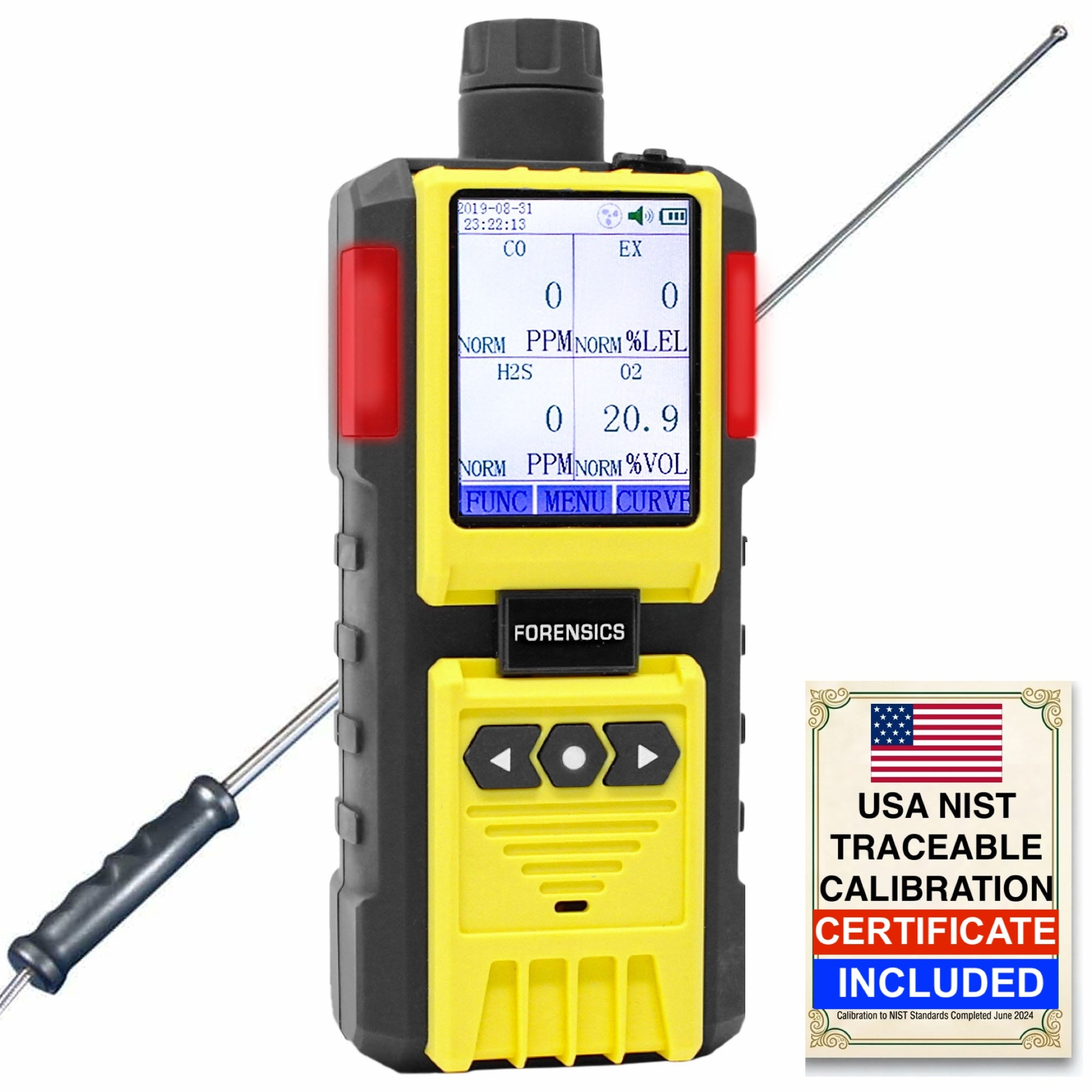
In high-risk industrial environments, refuge depends heavily on right and unbroken monitoring of atmospherical conditions. Reliable gas monitoring for unsafe worksites are necessary tools that help discover dangerous gases, keep accidents, and protect workers from life-threatening . These hi-tech systems are widely used in industries such as oil and gas, mining, construction, chemical substance processing, and restrained space trading operations.
As workplace safety standards become stricter worldwide, gas monitoring engineering has become a vital part of occupational health and heavy-duty risk direction.
Importance of Gas Monitoring in Hazardous Worksites
Hazardous worksites often contain concealed threats that cannot be sensed without specialised equipment. Gases such as carbon monoxide(CO), atomic number 1 sulphide(H S), methane(CH), ammonium hydroxid(NH), and O-deficient atmospheres can pose wicked risks, including intoxication, explosions, and asphyxiation.
Reliable gas monitoring are essential because they:
Provide around-the-clock real-time gas detection
Alert workers to unreliable gas levels instantly
Prevent explosions and cyanogenetic incidents
Ensure compliance with safety regulations
Improve overall work risk management
Without proper monitoring systems, even shaver gas leaks can lead to ruinous consequences.
How Reliable Gas Monitoring Devices Work
Gas monitoring use high-tech detector technologies to find and measure the of dangerous gases in the air. These operate unendingly, analyzing air samples and triggering alerts when gas levels exceed safe limits.
Key Sensor Technologies Include:
Electrochemical Sensors: Detect hepatotoxic gases like CO and H S with high sensitivity and accuracy
Catalytic Bead Sensors: Measure combustible material gases by detecting oxidization reactions
Infrared(IR) Sensors: Used for detection hydrocarbons such as methane and carbon dioxide
Photoionization co kemisk beteckning (PID): Identify volatile organic fertiliser compounds(VOCs) at very low concentrations
Semiconductor Sensors: Provide comprehensive-spectrum gas detection for various industrial applications
These technologies check fast reply multiplication and dependable performance even in unpleasant environments.
Key Features of Reliable Gas Monitoring Devices
Modern gas monitoring devices are studied with high-tech features to enhance refuge, serviceability, and operational .
Real-time gas concentration tracking
Multi-gas signal detection capability in a one device
Audible, seeable, and vibration alarms for second alerts
Portable and difficult plan for sphere conditions
Long-lasting stamp battery life for stretched use
Data logging and coverage for compliance tracking
Wireless connectivity for remote monitoring systems
Automatic standardization and self-diagnostic functions
These features make gas monitoring extremely effective for persisting refuge self-confidence in risky worksites.
Applications in Hazardous Work Environments
Reliable gas monitoring devices are used across triune industries where workers face to unsafe gases.
Oil and Gas Industry
Used to supervise oil production rigs, pipelines, and refineries for gas leaks and flammable atmospheres.
Mining Operations
Essential for detective work methane buildup and maintaining safe atomic number 8 levels in underground mines.
Construction Sites
Used in confined spaces such as tunnels, tanks, and sewage systems to assure safe conditions.
Chemical Plants
Help notice noxious chemical leaks and exert safe workings environments during product and store.
Wastewater Treatment Facilities
Monitor gases like hydrogen sulfide produced during vector decomposition processes.
Benefits of Using Reliable Gas Monitoring Devices
The execution of sophisticated gas monitoring systems provides many refuge and work advantages:
Improved Worker Safety: Immediate alerts reduce risks
Accident Prevention: Early detection prevents fires and explosions
Regulatory Compliance: Ensures attachment to work safety standards
Operational Efficiency: Minimizes downtime caused by safety incidents
Cost Savings: Prevents and product delays
By providing real-time monitoring, these importantly enhance work safety and .
Integration with Modern Safety Systems
Today s gas monitoring devices are increasingly structured with ache safety systems and IoT applied science. This allows:
Remote monitoring from centralized control rooms
Real-time data share-out across dual devices
Automated emergency shutdown systems
Cloud-based safety analytics and reporting
Predictive risk judgement using data trends
This desegregation improves response times and enhances overall refuge management in dangerous environments.
Future of Gas Monitoring Technology
The hereafter of gas monitoring is convergent on smarter, more connected, and extremely automatic systems. Key innovations include:
AI-powered jeopardize foretelling and detection
Wearable gas detection devices for workers
Miniaturized high-sensitivity sensors
Self-calibrating and adaptative monitoring systems
Enhanced receiving set and IoT connectivity
These advancements will further ameliorate truth, reliableness, and reactivity in wild worksites.
Conclusion
Reliable gas monitoring devices for wild worksites are essential tools for ensuring workplace refuge, preventing industrial accidents, and maintaining restrictive compliance. Their power to notice desperate gases in real time provides a critical stratum of protection for workers in high-risk environments. As engineering science continues to throw out, these systems will become even more sophisticated and structured, qualification heavy-duty workplaces safer and more effective than ever before.