

A Walima is one of the most special occasions in a Pakistani wedding, bringing family and friends together to celebrate a new beginning. Choosing the right outfit for this event requires a balance of elegance, comfort, cultural tradition, and personal style. Many women prefer traditional clothing because it reflects the beauty of Pakistani fashion while allowing them to look sophisticated at a formal celebration. 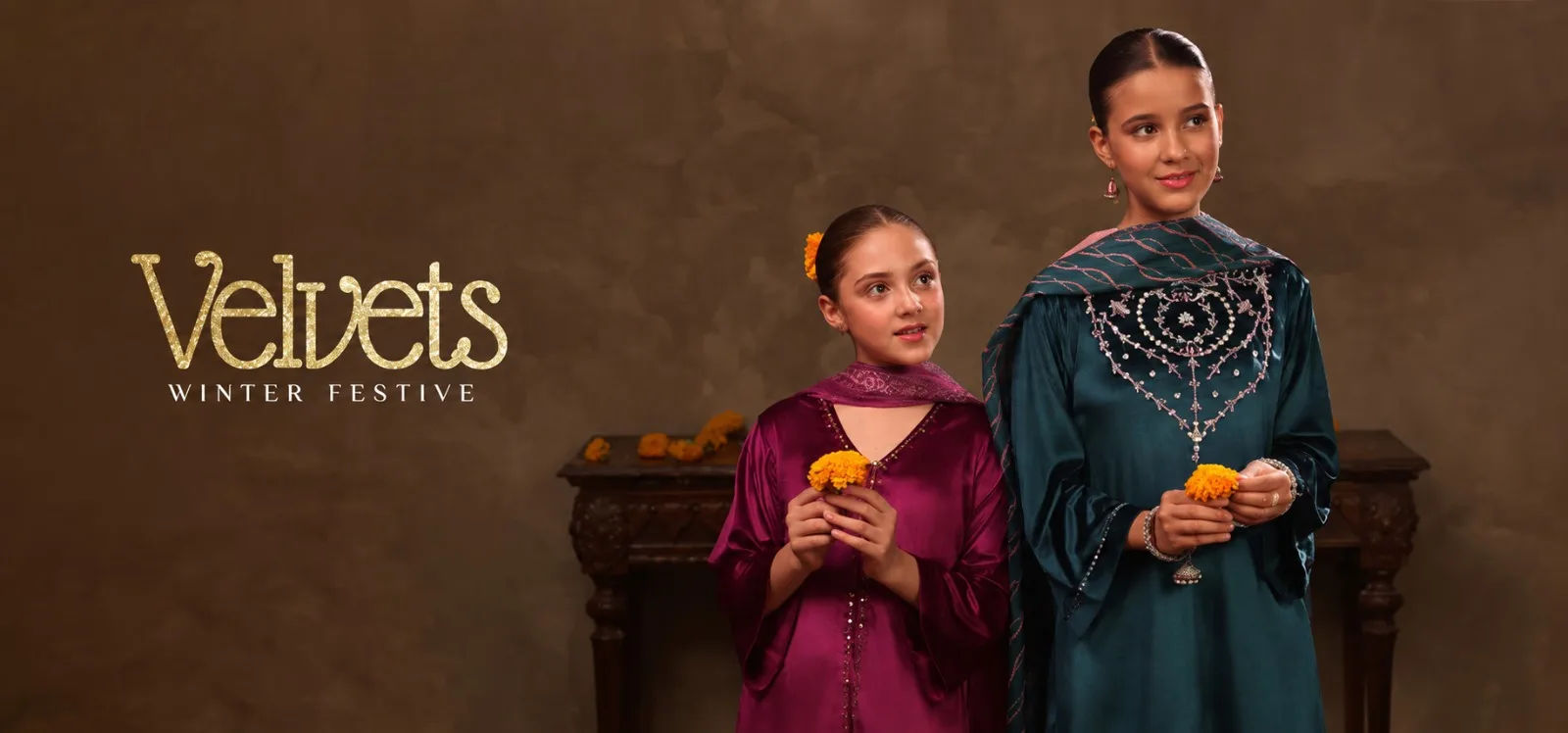 One popular option is a lehenga, which offers a graceful silhouette and a wide variety of designs for different wedding functions.
Choosing pakistani lehenga party wear for a Walima can be an excellent decision because it combines traditional craftsmanship with modern fashion. From delicate embroidery to luxurious fabrics and beautiful color combinations, these outfits can create a polished appearance that suits the importance of the occasion. However, the best choice depends on your role at the wedding, the formality of the event, the venue, and your personal preferences.
A Walima usually has a different atmosphere from a Mehndi or Barat. While those events may encourage brighter colors and heavier embellishments, a Walima often calls for refined styling and a balanced appearance. This does not mean your outfit must be simple or understated. With the right design, accessories, and colors, a lehenga can look luxurious without appearing overly festive.
Why Is a Lehenga Suitable for a Walima?
A lehenga is a traditional South Asian outfit that typically includes a flared skirt, a blouse or choli, and a dupatta. Its flowing shape, detailed decoration, and variety of styling options make it suitable for formal wedding celebrations.
A Walima is an occasion where guests often dress elegantly for photographs, dinner, and social gatherings. A well-selected lehenga can meet these expectations while preserving the cultural beauty of Pakistani clothing.
It Offers a Graceful and Elegant Appearance
One of the biggest advantages of a lehenga is its flattering shape. The flared skirt creates movement when walking, sitting, and posing for photographs. Depending on the cut and fabric, the outfit can look regal, contemporary, or traditionally festive.
For a Walima, consider a design with balanced embroidery, a well-fitted blouse, and a dupatta that complements the overall outfit. These details can make your appearance elegant without requiring excessive decoration.
It Combines Tradition With Modern Fashion
Pakistani formal fashion includes traditional techniques such as zari work, gota detailing, thread embroidery, and hand embellishment. Modern designers combine these elements with contemporary cuts, unusual color palettes, and lightweight materials.
This combination makes lehengas versatile enough for different types of Walima celebrations. You can choose a traditional outfit with intricate craftsmanship or a modern design with minimal decoration and a sophisticated silhouette.
It Works for Different Wedding Venues
A Walima may take place in a hotel ballroom, wedding hall, outdoor garden, or private venue. The right lehenga can suit each setting when its fabric, weight, and decoration are chosen carefully.
For an indoor evening reception, a velvet or silk-blend lehenga may look luxurious. For a daytime or outdoor celebration, chiffon, organza, or other lightweight fabrics can feel more comfortable and look graceful in natural light.
Which Colors Are Best for a Walima Lehenga?
Color is one of the most important considerations when selecting a wedding outfit. The right shade can complement your skin tone, match the event's atmosphere, and create a beautiful overall appearance.
Although personal preference should guide your decision, some colors are particularly popular for formal Pakistani wedding receptions.
Pastel Colors for a Soft and Refined Look
Pastel colors are a wonderful option for a Walima because they create a soft, sophisticated appearance. Popular choices include powder blue, blush pink, mint green, lavender, and light peach.
These shades work particularly well with silver, pearl, and delicate crystal embellishments. They are also easy to coordinate with understated jewelry and natural-looking makeup.
A powder-blue lehenga with silver embroidery, for example, can look graceful at an evening reception. A blush-pink design with subtle beadwork may be ideal for someone who prefers a romantic and feminine style.
Silver, Grey, and Champagne for a Luxurious Appearance
Silver, dove grey, champagne, and muted gold can create a polished look without relying on bright colors. These shades are especially attractive when paired with detailed embroidery or fine embellishments.
Silver-grey outfits look beautiful with crystal jewelry, while champagne-colored lehengas can complement gold or pearl accessories. If you prefer a sophisticated appearance, choose a design in which the embroidery enhances the fabric instead of overwhelming it.
Keep the lighting in mind when selecting metallic shades. Some fabrics appear much brighter under artificial lights than they do in a store or dressing room.
Deep Colors for Evening Receptions
Pastels are not the only suitable option. Deep emerald green, navy blue, plum, burgundy, and rich teal can look equally elegant at a Walima.
These colors are particularly suitable for evening events and formal indoor venues. They also provide a beautiful background for metallic embroidery, pearls, and statement jewelry.
If you choose a dark lehenga, balance the look with appropriate accessories. Silver embellishments can complement navy blue, while gold details may work beautifully with emerald green or burgundy.
Should You Wear White or Ivory?
White, ivory, and off-white outfits can create a clean and sophisticated appearance. They are often associated with understated luxury and can look especially beautiful when decorated with delicate embroidery.
However, if you are attending someone else's Walima, consider the bride's outfit and the family's preferences. If the bride is wearing white or ivory, you may wish to choose a different shade to avoid an unintended resemblance.
The goal is to look appropriately dressed while respecting the occasion and the people being celebrated.
Which Lehenga Designs Work Best for Walima?
Not every lehenga design creates the same impression. Some styles are dramatic and heavily decorated, while others are lighter and more understated. Selecting the right design helps you achieve the level of formality you want.
Embroidered Lehenga
An embroidered lehenga is a classic choice for a Walima. Threadwork, zari, sequins, beads, and delicate motifs can add depth and visual interest to the outfit.
For a refined appearance, look for embroidery concentrated around the hem, blouse, or dupatta. This creates an attractive focal point without making every part of the outfit equally heavy.
If you prefer elaborate designs, choose embellishments that complement the fabric and color. A well-balanced outfit often looks more sophisticated than one covered entirely in dense decoration.
Lehenga With a Long Shirt
A lehenga paired with a long shirt offers additional coverage and a graceful silhouette. It is a practical choice for women who prefer traditional styling over a short choli.
The shirt can feature straight lines, side slits, delicate embroidery, or a slightly flared shape. A matching lehenga creates a coordinated look, while a contrasting skirt adds modern character.
This combination is suitable for guests who want to look formal without wearing an extremely embellished bridal-style outfit.
Minimalist Lehenga
Minimalist designs are ideal for people who prefer simplicity. These outfits usually rely on quality fabric, clean cuts, subtle decoration, and careful tailoring rather than heavy embellishments.
A plain silk-blend lehenga with a decorated blouse or an organza skirt with a finely embroidered border can look elegant at a Walima.
Minimalist clothing also allows you to experiment with accessories. Statement earrings, a beautiful clutch, or an embroidered dupatta can become the main feature of the outfit.
Traditional Gharara-Inspired Styling
Some women prefer a more traditional silhouette that combines a flared skirt with design elements inspired by ghararas or other Pakistani formal outfits. These styles can offer a distinctive appearance while maintaining a traditional feel.
When considering such a design, pay attention to the overall proportions. The blouse, skirt, and dupatta should complement one another rather than compete for attention.
How Should You Choose the Right Fabric?
Fabric influences the appearance, comfort, and movement of a lehenga. Even a beautiful design may be difficult to wear if the material is too heavy or unsuitable for the weather.
Chiffon and Organza
Chiffon and organza are popular choices for formal Pakistani clothing. Chiffon drapes softly and moves gracefully, while organza offers more structure and volume.
These fabrics are useful for creating an elegant appearance without relying on a very heavy skirt. However, organza can feel stiff, and some chiffon designs require a suitable lining to provide coverage.
For outdoor events or warm weather, consider the lining, airflow, and total weight of the outfit before purchasing it.
Silk and Silk Blends
Silk and silk-blend fabrics provide a rich finish that works well for formal occasions. They can support detailed embroidery and often photograph beautifully under evening lighting.
Pure silk may require special care and can be expensive. Blended fabrics can provide a similar visual effect at a more accessible price, depending on their quality.
Ask about cleaning instructions before buying an embellished outfit, especially if it includes delicate threadwork or decorative stones.
Velvet for Cooler Weather
Velvet can create a luxurious appearance, particularly for winter weddings and evening receptions. Its texture adds depth to rich colors such as emerald, navy, plum, and burgundy.
However, velvet may feel warm and heavy during summer. If the Walima is taking place in a heated hall or during hot weather, a lighter fabric may be more comfortable.
Always consider the venue's temperature and the duration of the event before choosing a heavy material.
How Can You Style Pakistani Lehenga Party Wear for a Walima?
pakistani lehenga party wear outfit itself is only one part of your appearance. Jewelry, footwear, makeup, hairstyle, and dupatta placement all contribute to the final result.
The key is to coordinate these elements so that your overall appearance feels intentional rather than overcrowded.
Select Jewelry That Complements the Outfit
Jewelry should complement the neckline, embroidery, and color of your lehenga.
For a heavily embroidered blouse, statement earrings may be enough. If the neckline is simple, a necklace can provide additional detail. Pearl jewelry works beautifully with many pastel outfits, while kundan and gold-toned pieces complement traditional designs.
Avoid wearing too many large accessories at once. Heavy earrings, a large necklace, an elaborate headpiece, and multiple bracelets may compete with the outfit.
Instead, select one or two focal pieces that enhance your overall appearance.
Choose Comfortable and Elegant Footwear
Heels can complement the length and shape of a lehenga, particularly when the skirt is designed to fall close to the floor. Block heels and wedges may provide more stability than narrow stilettos.
However, comfort is essential. A Walima can involve standing, walking, greeting guests, and spending several hours at a venue.
Try your footwear with the complete outfit before the event. Check that the skirt does not drag on the floor and that you can walk comfortably without stepping on the hem.
If the venue has grass, uneven paving, or outdoor walkways, consider shoes that provide better support.
Keep Makeup Balanced
Your makeup should reflect the outfit's color, the event's timing, and your personal preferences.
For pastel lehengas, soft pink, peach, nude, or rose-toned makeup can create a harmonious appearance. For deep-colored outfits, you might prefer defined eyes, a slightly deeper lip color, or a more dramatic finish.
For daytime celebrations, lighter makeup often looks natural. Evening receptions may suit more defined eyes and luminous skin.
Choose makeup that makes you feel confident rather than following every trend. A look that complements your features and remains comfortable throughout the event is usually the best choice.
Select a Suitable Hairstyle
Your hairstyle should work with the neckline and dupatta.
A low bun can look elegant with a traditional dupatta draped over the head or shoulder. Soft curls complement romantic outfits, while a sleek ponytail or polished bun may suit modern designs.
If the blouse has a detailed back or high neckline, an updo can help display these features. For outfits with a simple neckline, loose waves may provide a softer finish.
Use accessories sparingly. A delicate hairpiece can be attractive, but it should not compete with the jewelry and embroidery.
Drape the Dupatta Carefully
The dupatta can change the entire appearance of a lehenga. It may be draped over one shoulder, arranged across both arms, or placed over the head according to personal preference and family tradition.
A lightweight dupatta is easier to manage during a long event. If it has heavy embroidery, secure it with discreet pins to prevent it from slipping.
Before leaving home, practice sitting, walking, and greeting people while wearing the dupatta. This simple step can prevent discomfort and help you maintain a neat appearance throughout the reception.
Is Pakistani Lehenga Party Wear Suitable for Every Walima Guest?
A lehenga can be appropriate for many guests, but the best style depends on the person's role in the celebration.
For the Bride
A bride may choose an elaborate lehenga with luxurious fabric, intricate embroidery, and carefully coordinated accessories. The design can be traditional, modern, or minimalist depending on her taste.
A bride should also consider comfort, since she may spend much of the event posing for photographs, greeting guests, and sitting on a stage.
A properly fitted blouse, manageable skirt weight, and secure dupatta can make a significant difference.
For Close Family Members
Sisters, cousins, and other close relatives may prefer richly embroidered outfits that reflect the formality of the occasion. Pastel shades, metallic details, and sophisticated cuts can provide an attractive balance between celebration and elegance.
However, family members should consider the bride's clothing and the family's preferences when choosing their outfits. Coordinated colors can look beautiful in photographs without requiring everyone to wear identical designs.
For Friends and Other Guests
Guests generally have more flexibility. A moderately embellished lehenga, a long-shirt combination, or a lightweight formal design can be suitable.
Avoid assuming that every Walima requires a bridal-level outfit. The invitation, venue, dress code, and local customs can help determine how formal your clothing should be.
A tasteful outfit that fits well is often more appropriate than an expensive, heavily decorated design that feels uncomfortable or overly dramatic.
How Much Should You Spend on a Walima Lehenga?
The cost of a lehenga varies according to fabric quality, embroidery, craftsmanship, designer reputation, and whether the outfit is ready-made or custom-made.
You do not need to spend a large amount to look elegant. The important thing is to choose an outfit that suits your budget and meets your expectations for quality and appearance.
Set a Realistic Budget
Before shopping, decide how much you can comfortably spend. Remember to include the cost of alterations, footwear, jewelry, a clutch, and any necessary tailoring.
If you have a limited budget, prioritize fit, fabric quality, and a design that can be styled in different ways.
A simpler lehenga with excellent tailoring may look more polished than an expensive outfit that does not fit properly.
Consider Renting or Reusing an Outfit
Renting can be a practical option if you need a heavily embellished outfit for only one occasion. It may allow you to wear a premium design without paying its full purchase price.
Alternatively, you can reuse an existing lehenga by changing the blouse, dupatta, jewelry, or hairstyle.
A new dupatta can refresh an older outfit, while a different blouse can create a noticeably different silhouette. These options can help you control costs without sacrificing style.
Check Quality Before Purchasing
Examine the seams, lining, embroidery, zippers, and waistband. Check whether the skirt feels too heavy and whether the blouse allows comfortable movement.
For online purchases, review the size chart, fabric description, return policy, delivery schedule, and customer photographs when available.
If the outfit requires customization, allow sufficient time for measurements, alterations, and a final fitting before the event.
Common Mistakes to Avoid When Choosing a Walima Lehenga
Even a beautiful outfit can become impractical if important details are overlooked.
Choosing an Outfit That Is Too Heavy
Dense embroidery and multiple layers may look impressive but can become tiring during a long reception. Consider how long you will wear the outfit and whether you can move comfortably.
Ignoring the Dress Code
A formal hotel reception may call for a different style from a small daytime gathering. Check the invitation and ask a family member about the expected level of formality if you are unsure.
Following Trends Without Considering Personal Style
Fashion trends can provide inspiration, but they should not determine every decision. Choose a color, silhouette, and level of embellishment that make you feel comfortable and confident.
Leaving Alterations Until the Last Minute
A skirt that is too long, a tight blouse, or a slipping dupatta can affect your comfort throughout the event. Arrange a fitting well before the Walima and test the outfit with your intended shoes and accessories.
Overlooking Practical Details
Check the weather, venue flooring, transportation arrangements, and expected duration of the celebration. These details can influence your choice of fabric, footwear, and embellishment.
Conclusion
Pakistani lehenga party wear can be an excellent choice for a Walima because it combines traditional beauty, modern fashion, and the elegance expected at a formal wedding celebration. With so many colors, fabrics, silhouettes, and embellishment styles available, it is possible to find an outfit that suits almost any personal preference or event setting.
The best lehenga is not necessarily the most expensive or heavily decorated one. Instead, it is the outfit that fits properly, complements your style, suits the occasion, and allows you to feel comfortable throughout the celebration.
For a refined appearance, consider pastel shades such as powder blue, blush pink, or mint green. If you prefer a dramatic evening look, emerald green, navy blue, or plum can be equally attractive. Choose fabrics according to the weather, and pay attention to the weight of the skirt, the quality of the tailoring, and the ease of managing the dupatta.
Accessories also play an important role. Coordinated jewelry, comfortable footwear, balanced makeup, and a suitable hairstyle can transform a simple outfit into a polished formal look. At the same time, avoid adding so many decorative elements that they compete with one another.
Your role at the wedding should also influence your decision. Brides may prefer elaborate designs, close family members can choose richly detailed outfits, and other guests may feel more comfortable in moderately embellished styles. Respecting the event's dress code and the bride's preferences helps ensure that your clothing suits the celebration.
Ultimately, a Walima outfit should reflect both the importance of the occasion and your individual personality. When you choose a well-fitted lehenga in a flattering color, style it thoughtfully, and prioritize comfort alongside beauty, you can enjoy the celebration with confidence. A carefully selected lehenga is therefore not only a fashionable choice but also a meaningful way to celebrate Pakistani wedding traditions.